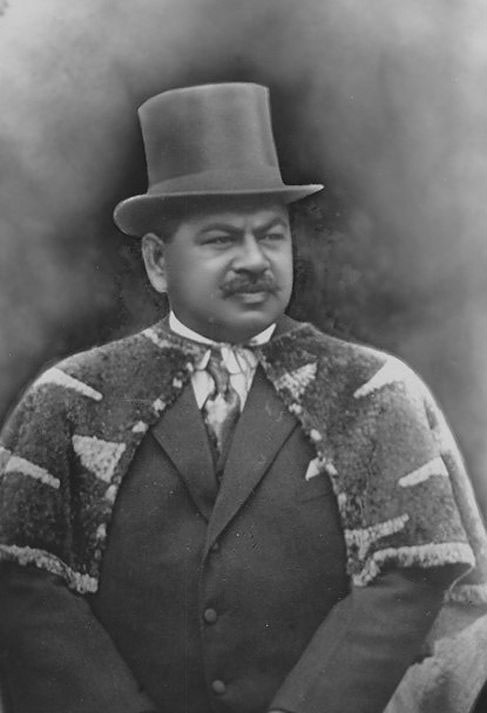
Prince Jonah Kūhiō Kalanianaʻole Piʻikoi
Prince of the People. Ke Aliʻi Makaʻāinana, the Citizen Prince. Born March 26, 1871, at Kukuiʻula, Kōloa, Kauaʻi, Kūhiō spent nearly twenty years in the United States Congress, and his Hawaiian Homes Commission Act made homesteads like Waimānalo possible.
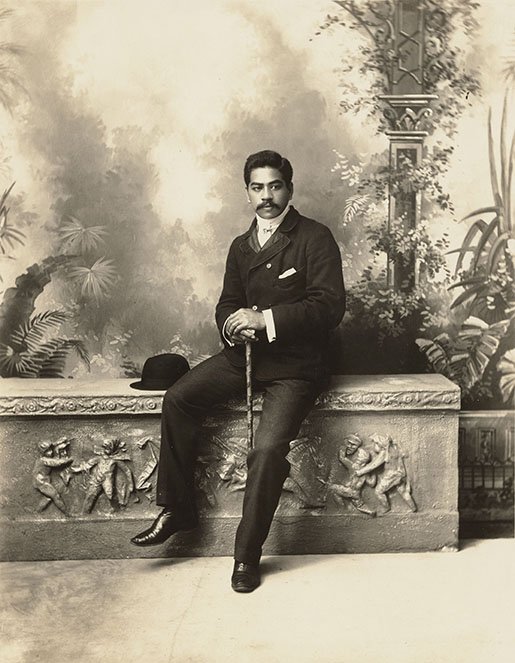
Prince Jonah Kūhiō Kalanianaʻole Piʻikoi
Prince of the People. Ke Aliʻi Makaʻāinana, the Citizen Prince. Born March 26, 1871, at Kukuiʻula, Kōloa, Kauaʻi, Kūhiō spent nearly twenty years in the United States Congress, and his Hawaiian Homes Commission Act made homesteads like Waimānalo possible.
A prince raised for the kingdom
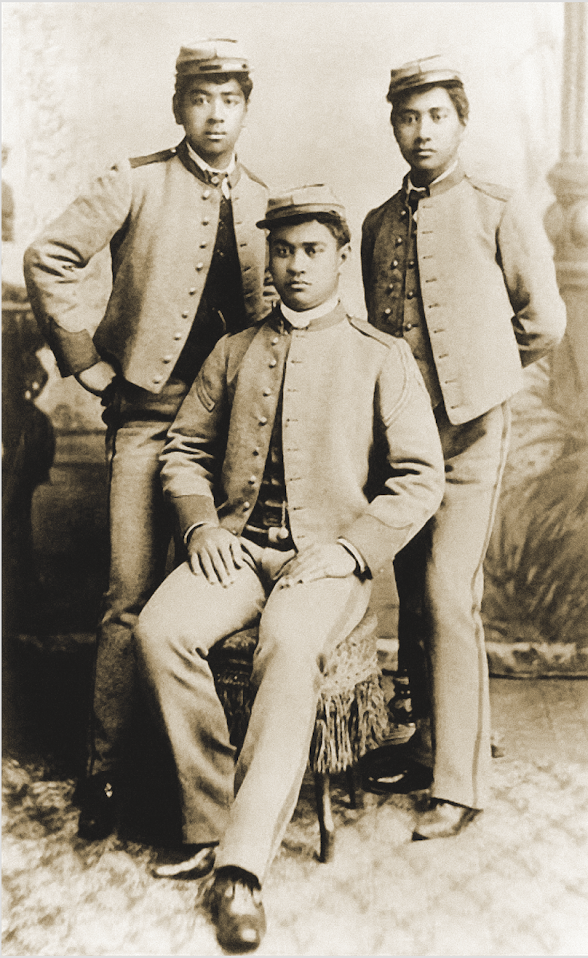
Kūhiō was the youngest of three sons of High Chief David Kahalepouli Piʻikoi and Princess Victoria Kinoiki Kekaulike. After his parents died, King Kalākaua, who had married his mother's sister Kapiʻolani, named Kūhiō and his brothers princes by royal proclamation in 1883, and brought their line into the Kalākaua dynasty. He was raised to serve the kingdom, and for a time he stood as a presumptive heir behind Crown Princess Kaʻiulani.
At St. Alban's School in Honolulu, classmates first called him Prince Cupid, a nickname that followed him for life. He then attended Oʻahu College, now Punahou School, where he earned a reputation as an outdoor sportsman, and St. Matthew's Military Academy in California. In 1888 Kalākaua sent him to Japan, where he spent nearly a year as a guest of the Japanese government learning diplomacy. He later studied business at the Royal Agricultural College in Gloucestershire, England, and toured Europe, greeted as an equal in royal courts. He returned home in early 1891, the year Kalākaua died in San Francisco and his sister Liliʻuokalani succeeded to the throne. Kūhiō became a close confidante and adviser to the Queen.
Fighting for his kingdom, and prison
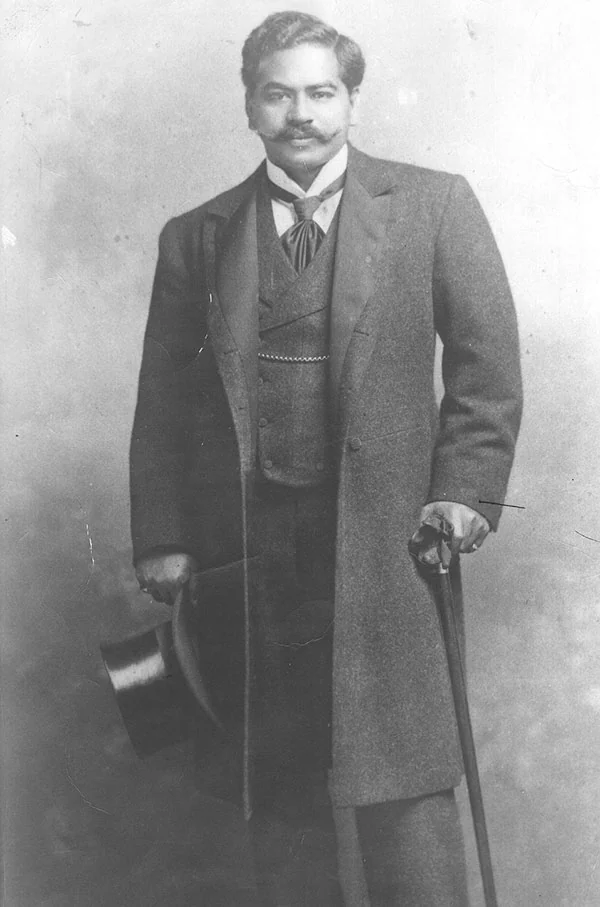
On January 16, 1893, Queen Liliʻuokalani attempted to install a new constitution restoring power to the monarchy and undoing the Bayonet Constitution. Wealthy business leaders led by Sanford B. Dole formed a Committee of Safety, marched a volunteer militia into the government building, and appealed for annexation by the United States. The monarchy was overthrown. Kūhiō, who was working as a clerk in the government building, at first acquiesced to the takeover, but the new order soon frustrated him. The Republic of Hawaiʻi, proclaimed July 4, 1894, prohibited many Native Hawaiians and citizens of Asian descent from voting.
In the last weeks of 1894, Kūhiō stood with his friend John Wise and Robert W. Wilcox in a loyal effort to restore their rightful Queen and their kingdom. For Native Hawaiians, this was not rebellion for its own sake. Their queen had been overthrown, their government seized, and under the new Republic many Native Hawaiians had been stripped of the vote in their own homeland. Kūhiō and Wise tried to reach Wilcox at the government building, met roadblocks on the way, and, unable to join him, returned home in the early hours of January 7, 1895. President Dole declared martial law. The pair were arrested the next day. On February 11, 1895, they were charged with neglect in reporting treason. A military tribunal found Kūhiō guilty and sentenced him to one year in prison and a $1,000 fine. Officials offered him clemency if he would betray his friends and name his coconspirators. He refused to turn on his own people. He was released months ahead of schedule, in September 1895, and married Chiefess Elizabeth Kahanu Kaleiwohi-Kaʻauwai soon after.
That refusal, and that year in prison, shaped the rest of his life. He had fought for his kingdom, paid for it in prison, and would spend the next twenty-seven years fighting for his people by a different route, inside the government that had replaced the kingdom.
Exile, return, and election
Faced with uncertainty on the eve of annexation, and grieving the deaths of Princess Kaʻiulani and Queen Kapiʻolani, Kūhiō left Hawaiʻi with his wife in late 1899 for a prolonged honeymoon abroad. Part of his travels took him to South Africa at the height of the Second Boer War, where he was a guest of the British Army. The couple did not return until September 1901.
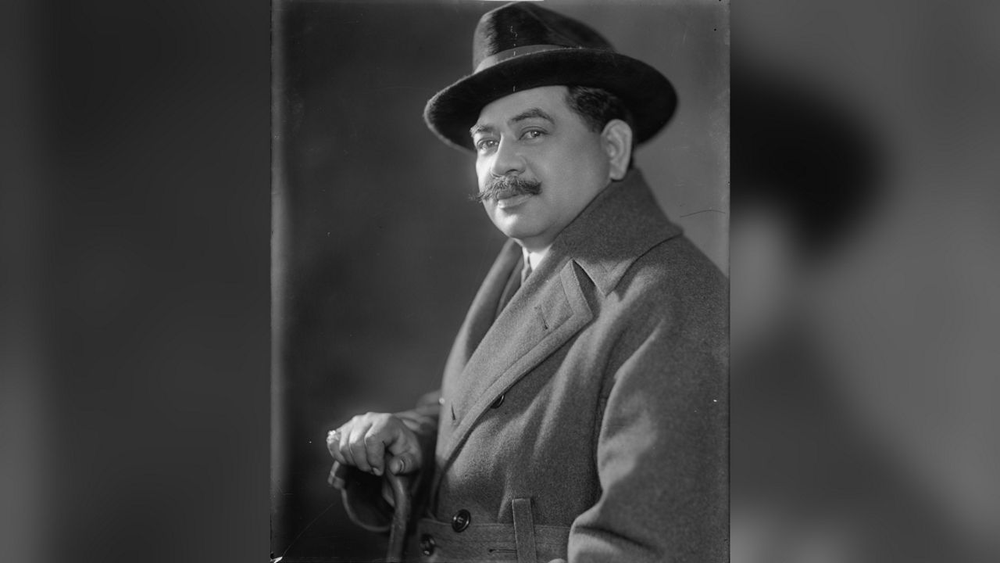
He joined Wilcox's Home Rule Party, which stood for restoring the rights and power of Native Hawaiians, but grew disenchanted with its racial politics and its use of Hawaiian in defiance of the Organic Act. In July 1902, after his plan to reorganize the party was tabled, he resigned and led a walkout of nearly half the delegates, forming the Independent Party, Hui Kokoa. Business interests and Republicans then turned to him. At the Republican convention he declared, I am a Republican from the top of my head to the bottom of my feet, and was nominated by acclamation. He won 6,636 votes to Wilcox's 4,696, becoming Hawaiʻi's second Delegate to Congress. He served from March 4, 1903, until his death, ten two-year terms, as a non-voting delegate. He remains the only Member of Congress born into royalty.
A delegate who made Washington listen
In Washington, President Theodore Roosevelt balked at pronouncing Kalanianaʻole, and most Washingtonians simply called him Kūhiō or Prince Cupid. He used charm and personal diplomacy where a vote was denied him. He hosted colleagues at the Bird's Nest, his getaway near Pershing Square, arranged an exhibit on Hawaiʻi at the Alaska-Yukon-Pacific Exposition in Seattle in 1909, and from 1907 hosted extended tours of Hawaiʻi for members of Congress. The 1915 tour included 27 Representatives, 10 Senators, their families, staff, and press, greeted offshore with leis and Hawaiian music. Firsthand experience, he found, often did what speeches could not.
His legislative work was practical and persistent. He wrote to every member of Congress in 1903 about dredging and improving Honolulu Harbor, went directly to President Roosevelt when the War Department turned him aside, and pushed through a harbor overhaul in 1916. A lighthouse at Makapuʻu Point was under construction by the end of 1906. He tied Hawaiʻi's infrastructure to national security, arguing before the Naval Affairs Committee in 1908 that it was inexcusable neglect not to prepare a naval base in the mid-Pacific. After he led a 1919 tour of Pearl Harbor for Navy Secretary Josephus Daniels, Congress appropriated $27 million for improvements and expansion. He also helped build the county government system still in use in Hawaiʻi, and in 1917 defended Hawaiʻi against a wireless radio bill that would have hurt the islands' growth.
Culture, parks, and statehood
Kūhiō never treated his royal identity as only a memory. In 1903 he reorganized the Royal Order of Kamehameha I, which held its first observance of Kamehameha Day in 1904, and he served as Aliʻi ʻAi Moku of the order until his death. On December 7, 1918, he founded the first Hawaiian Civic Club, a movement to give Native Hawaiians social, economic, civic, and intellectual standing, and to take an active part in the civic progress of Hawaiʻi. That movement grew into the Association of Hawaiian Civic Clubs, which still exists today.
He championed the bill that created Hawaiʻi National Park in 1916, covering Kīlauea, Mauna Loa, and Haleakalā, later divided into Hawaiʻi Volcanoes National Park and Haleakalā National Park. He believed the simplest way to ensure civil rights for his people was admission to the Union, and in 1919 he introduced the first Hawaiʻi statehood bill in Congress. It died in committee. Statehood would not arrive until 1959, thirty-seven years after his death.
The Hawaiian Homes Commission Act
His final and most important accomplishment was the Hawaiian Homes Commission Act. Kūhiō argued that Native Hawaiians, suffering from disease, loss of land, and changes in their culture, were becoming a landless and dying people. If conditions remain as they are today, he insisted, it will only be a matter of a short space of time when this race of people, my people, renowned for their physique, their courage, their sense of justice, their straightforwardness, and their hospitality, will be a matter of history. He pointed to the rehabilitation of the Māori in New Zealand under a homesteading program, and to the leases on former Crown lands that were due to expire.
In April 1920 he introduced the Hawaiian Rehabilitation Bill, seeking to place the Hawaiian back on the soil, so that the valuable and sturdy traits of that race, peculiarly adapted to the islands, shall be preserved to posterity. A companion bill moved through Congress, passed the Senate and House by voice vote on June 27 and 30, 1921, and was signed by President Warren G. Harding on July 9, 1921. The Act, as amended, set aside roughly 200,000 acres across the Hawaiian Islands for 99-year leases to claimants at least 21 years old with 50 percent or more Hawaiian blood, a compromise from Kūhiō's original one-thirty-second threshold. The sugar industry retained the best lands, and Kūhiō conceded the program does have a second class choice of lands, while insisting he had negotiated the best deal possible, with funds for farming equipment and home construction. He served on the first Hawaiian Homes Commission from September 16, 1921. After his death, his wife Elizabeth succeeded him on the Commission.
Legacy in Waimānalo
WHHA history is deeply intertwined with Prince Kūhiō and the Hawaiian Homes Commission Act of 1920, authored and introduced into the United States Congress by Prince Kūhiō. Through his foresight, residents of Waimānalo and other homesteads secured a place to call home and preserved cultural heritage. DHHL vision: ʻāina hoʻopulapula, restoration through the land. WHHA was founded in 1938 by the first resident homesteaders awarded leases by the Department of Hawaiian Home Lands, then under the Territory of Hawaiʻi, to promote the welfare of its members in home, school, church, and community, and to secure the Rehabilitation Program Act 1920, Hawaiian Homes Commission, for every member.
Kūhiō died on January 7, 1922, at his home in Waikīkī, at the age of 50. He is buried at Mauna ʻAla, the Royal Mausoleum in Nuʻuanu Valley, and was given the last state funeral held in Hawaiʻi for an aliʻi. His birthday, March 26, is celebrated as Prince Kūhiō Day. Reach out for more information.